If you’re an aspiring drummer watching your wallet, this guide is for you. Picking the right drum sticks early on sets up good habits, helps you play longer without fatigue, and stops you from buying too much gear you don’t need. I’ll walk you through what to look for, what to avoid, and suggest some great stick options for beginners that won’t blow your budget.
What to Look for as a Beginner
1. Size & Weight
Drum sticks vary in length and thickness. These factors affect how they feel, how much control you have, and how loud you can play. For example:
The size code system (like “5A”, “7A”, “5B”) gives you some idea: generally, higher numbers = thinner sticks, lower numbers = thicker sticks.
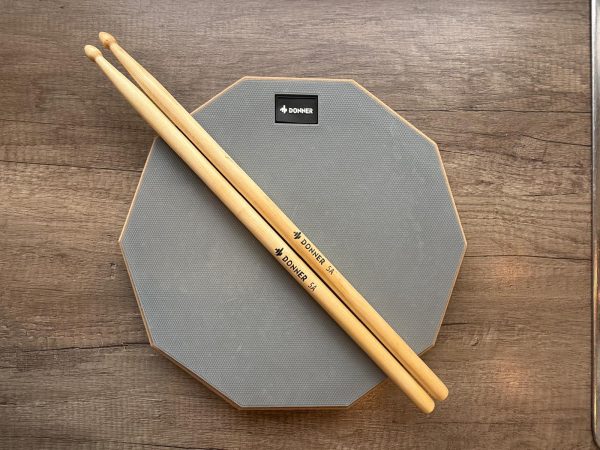
A medium thickness stick is often recommended for beginners because it’s versatile. Many sources say “start with a 5A” as a good all rounder.
If your hands are small (or you’re younger) you might start with something a little thinner (like a 7A) and move up later.
Heavier, thicker sticks (like 5B or 2B) will give you more volume but may require more effort and may be harder on your arms if you’re just starting.
Tip: A good test – pick up a few sticks (if you can) and choose the thickest one you can still wave around comfortably. Heavier than that may strain you.
Material & Tip Type
Most drum sticks are made of wood (hickory, maple, oak) or sometimes synthetic materials. Hickory is a popular beginner choice because of its balance of durability & feel.
Tip shape and material (wood vs nylon) affect how the stick sounds, especially on cymbals. But for a beginner, you don’t need to worry too much about the tip shape or material. The feel and comfort are more important.
3. Versatility
Since you’re just starting, you’ll likely play a range of styles (rock grooves, pop, maybe even lighter stuff). Choose a stick that gives you flexibility, rather than locking you into one style. That’s another reason the “standard” 5A style is often recommended.
Budget & Durability
As a beginner, you’ll probably go through more sticks (breaks happen, you try things out). So pick something affordable, decent quality, but not ultra premium (you’ll upgrade later if you stick with it). Also: avoid super cheap “toy” sticks that are poorly balanced, they might hamper your technique.
5 Stick Recommendations for Beginner Drummers
Here are some great options that balance cost + quality + beginner friendly size. You can pick one pair and get going, and later on try different styles as you progress.
Vic Firth Nova 5A Wood Tip: A very reliable, well known brand; 5A size makes this a great standard starter stick.
ProMark 5A Hickory Wood Tip: Also 5A but with a premium feel. Good if your budget allows a little more.
Gear 4 Music 7A Wood Tip Maple Drumsticks: Slightly lighter/thinner (7A), ideal if you have smaller hands or prefer lighter sticks for control.
Vic Firth American Classic Extreme 5B: A thicker stick (5B), maybe a step up once you’re comfortable and playing more aggressively.
Stagg 5A Maple Wood Tip: A solid, affordable 5A option made from lighter maple. Great for beginners who want a comfortable, balanced feel without the extra weight of hickory. Good for practising longer sessions without hand fatigue, and the wood tip gives a warm, natural cymbal sound. Ideal as a first “proper” pair before moving into pricier brands.
How to Choose & Try Them Out
Here are some practical tips for picking the right pair and seeing whether they suit you:
Start with a 5A size (standard) — that gives you the sweet-spot of size/weight for most beginners.
Consider your hand size / strength — If you’re smaller or young, try the 7A (or junior size).
Check how they feel — Hold them as you’d hold in a playing posture. Does it feel comfortable? Can you move them easily and rebound well?
Try them on a pad or drum — Practice some simple strokes; do they feel balanced? Are you fighting the stick or flowing with it?
Don’t go too heavy too soon — A thick/heavy stick might sound loud, but if you can’t control it it will slow your progress and lead to fatigue or poor technique.
Budget considerations — Aim for decent quality from a recognised brand if possible. But you don’t need premium artist models yet. Focus on feeling good.
Replace regularly — As you practice more, sticks will wear and break. Having spare or backup sticks is a good idea.
Upgrade later when you’re ready — Once you’ve built technique and know your style, you might explore heavier/thicker sticks (5B, 2B) or different tip materials/shapes.
FAQs
Q: Can I just buy the cheapest sticks I find? A: You can, but be cautious. Super cheap sticks often have poor balance, inconsistent weight, or bad durability. This can hurt your technique. It’s worth spending a little more for a good stick feel.
Q: Should I get a heavier stick (like 5B or 2B) right away so I sound louder? A: Not necessarily. Being able to control a stick is more important than brute volume when you’re learning. A medium weight stick (5A) gives you versatility. Heavier sticks typically come later.
Q: What wood type should I pick? Hickory vs maple vs oak? A: Hickory is a great all round choice (durable, comfortable). Maple is lighter (good for speed/control). Oak is heavier/dense (good for big sound, but maybe more fatigue for a beginner).
Q: Does tip shape/material matter for a beginner? A: Less than size/weight. Tip shape and material affect tone, but early on you want something comfortable and consistent. You can experiment later.
Final Thoughts
If you’re buying your first pair of sticks and want a budget friendly, smart choice: start with a medium size (5A) in a reputable brand, made from hickory or similar. Make sure it feels comfortable in your hands. Don’t overthink it. As you practise and improve, you’ll get a feel for what you like and may upgrade. But getting a decent pair now will help you build good habits from the start.
Remember: your stick is your connection to the instrument, picking one that feels good will help you want to pick up the drums more often, practise more, and progress faster. After all, technique, consistency and fun matter more than gear when you’re starting out.