DON’T BREAK THE BANK(OR YOUR HEARING): WHY HEARING PROTECTION IS ESSENTIAL FOR ASPIRING DRUMMERS

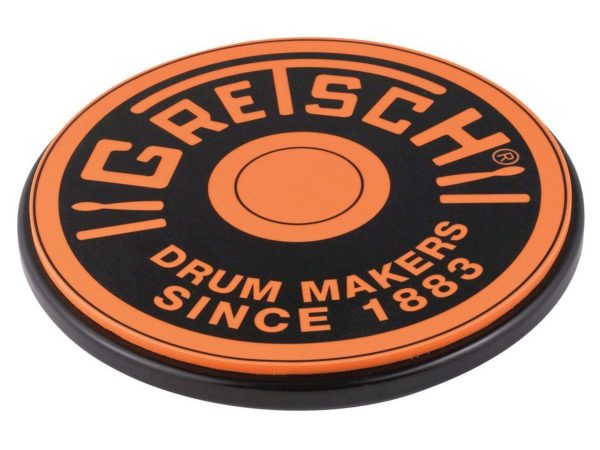
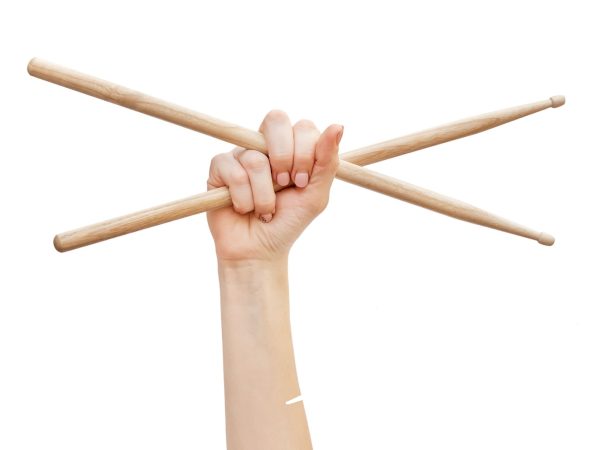
When you’re first getting into drumming, your main focus is probably on getting the right gear without spending a fortune. Sticks, a decent kit, maybe a practice pad, and a few lessons or YouTube tutorials. But there’s one piece of equipment that often gets overlooked, even though it’s arguably more important than any cymbal or snare: hearing protection.

The Hidden Cost of Loud Drumming

Drums are loud. Even a simple practice session can reach sound levels of 100–120 decibels, roughly equivalent to standing next to a chainsaw. Over time, that kind of exposure can permanently damage your hearing, leading to issues like tinnitus (a constant ringing or buzzing in your ears) or noise induced hearing loss.

And here’s the honest truth: I learned this the hard way. When I was younger, I didn’t take ear protection seriously. I used to think, “It’s just practice, how bad can it be?” But years later, my hearing isn’t what it used to be. There’s a constant reminder in the form of ringing and reduced sensitivity to certain frequencies. Once that damage is done, there’s no way to reverse it.

That’s why I can’t stress this enough: protect your ears every time you play. It’s not just about comfort, it’s about keeping your ability to enjoy and make music for the long haul.

“But I’m on a Budget!”

Good news: hearing protection doesn’t have to be expensive. You don’t need custom moulded musician’s earplugs right away (though they’re fantastic if you can afford them). There are plenty of affordable options that still do the job well:

  • Foam earplugs: Dirt cheap and surprisingly effective. You can buy a pack for a few pounds/dollars and always have spares.

  • High fidelity earplugs: Brands like Etymotic, Alpine, and EarPeace make reusable plugs that reduce volume evenly across frequencies, so your drums still sound clear, just quieter.

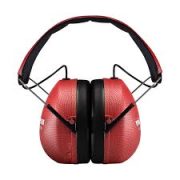
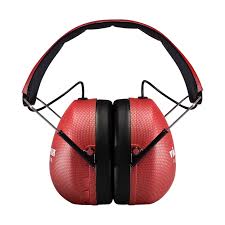
  • Electronic or over ear drummer headphones: If you practice on an electronic kit or use backing tracks, isolation headphones can protect your hearing while helping you hear the mix clearly.

Practice Smart, Not Just Loud

Beyond ear protection, you can also reduce your exposure by managing your volume and environment:

  • Use mesh heads or low volume cymbals for practice.

  • Take breaks, your ears need rest just like your muscles do.

  • Keep track of your sound levels with a free decibel meter app to understand how loud your playing really is.

A Lifetime of Playing Depends on Your Ears

Think of your hearing as your most valuable instrument. You can upgrade your drum kit down the road, but you can’t buy new ears.
Getting into the habit of protecting your hearing early on is one of the smartest, and most affordable investments you can make as a drummer.

Final Thoughts

I wish someone had told me sooner just how damaging drumming without protection can be. If I could go back, I’d wear earplugs at every single rehearsal, gig, and jam session.

So take it from someone who learned the hard way: always wear hearing protection whenever you play. For less than the cost of a pair of sticks, you can safeguard your hearing and make sure you’re still enjoying your music for decades to come.

Your ears deserve it.

What is your reaction?

0
Excited
0
Happy
0
In Love
0
Not Sure
0
Silly
You may also like

Comments are closed.